


Pigmentation and dark spots! The human body is a majestic network of interrelated organs, muscles, and nerves that help it function well. Understanding how each part works is like entering an entirely different universe. Now, imagine diving into its largest organ – the skin.
Despite an elaborate beauty routine, many unforeseen factors could damage our skin. Ergo, you may notice some darkening, lightening, or pigmentation on certain parts. This phenomenon is something that leaves us scratching our heads most of the time. Not that we’re not trying to prevent or treat it, but sometimes our skin just reacts in an unexpected way. So what better way to combat pigmentation than the noble art of educating ourselves about it? Below, we have the complete guide to pigmentation – from its causes, triggers, and treatments to pun not intended – enlighten us.
What is pigmentation?
The colour of our skin, inherent in other factors, is called pigmentation. This colour comes from melanocytes, skin cells that produce melanin, which gives our skin its distinct hue. There are two types of melanin present in our skin: eumelanin and phaeomelanin. Eumelanin is the ‘real’ melanin, typically found in dark skin. Phaeomelanin, on the other hand, is common in fair skin and does not provide UV protection.
Aside from giving our skin colour, melanin also gives us natural protection against the sun’s UV rays. But as it is with everything in nature, too much of something will tip it off-balance. Now, this is where pigmentation issues kick in – when our skin produces too much melanin, it leads to hyperpigmentation. All these excess pigments deposit deep into our skin, which gives off a dark, uneven appearance. These dark spots may look like small patches or cover large areas of the body.
Of course, there is another side of the coin – hypopigmentation. This occurs when our skin does not produce enough melanin, leading to noticeably lighter patches.
What are the common causes of pigmentation?
Pinpointing the exact cause of pigmentation issues is not that easy, as many factors are involved. And more often than not, it is a combination of any of the following:
- Sun exposure and damage
- Melasma
- Hormonal changes, especially during pregnancy
- Post-inflammatory acne
- Medical conditions such as PCOS and Addison’s disease
- Skin trauma caused by burns, wounds, or laser exposure

Types of pigmentation
Melasma
Do you spend a lot of time in the outdoors? Melasma is a common condition where spots can occur on your cheeks, neck, and shoulders as a result of sun exposure. It is also said to be caused by hormonal changes and may develop during pregnancy. Melasma can also occur as a reaction to certain skincare products or even birth control pills.
Age Spots
Also known as liver spots or sun spots, these affect the older population and are the effect of prolonged sun exposure. Like freckles, these too are brown and vary in size and shape. They can also be cause for worry! For any unusual discolouration or larger spots, make sure to check with your doctor.
Acne Scarring
There’s a reason you shouldn’t touch a pimple! Your skin can and does heal after acne but this could result in acne scars. If your breakouts don’t heal properly, these could develop into permanent scars and look like dark spots or pigmentation.

How can I prevent it?
Sun damage is the top trigger for hyperpigmentation, so prevent that by applying SPF and staying out of direct sunlight. As much as possible, keep your hands off your face. It’s important to avoid scratching or picking a wound or acne because it might cause irritation and darker pigmentation.
What should I do to treat it?
Good news, there is nothing that a few skincare hacks can’t fix! With pigmentation issues, you only need a few skincare powerhouses to help even out your skin tone. Here are our best picks for you:
- Vitamin C: This potent antioxidant boasts skin brightening properties. It also helps with acne and repairs sun-induced damage.
- Niacinamide: Often known as vitamin B3, this clinically proven ingredient minimises the appearance of hyperpigmentation and evens skin tone.
- Retinol: It speeds up the cell turnover process to help fade dark spots and reduce visible signs of ageing.
As always, you should talk to your dermatologist before using any skincare ingredient. Skin specialists can also recommend a more targeted treatment for faster recovery against pigmentation issues. After all, our skin is unique, and there is no universal approach to treating it.
Our Favourite Products That Fight Pigmentation
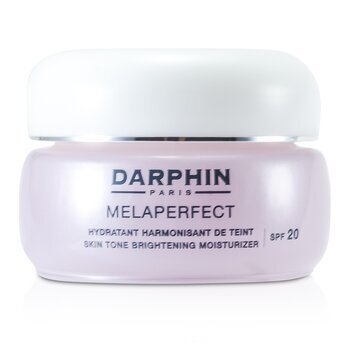
Darphin Melaperfect Hyper Pigmentation Skin Tone Brightening Moisturizer
Ideal for normal to dry skin, this power moisturiser brightens and slowly prevents the recurrence of dark spots. Intensely hydrating, it will restore comfort to your skin and use antioxidant Trametes extract to lighten existing pigmentation marks.
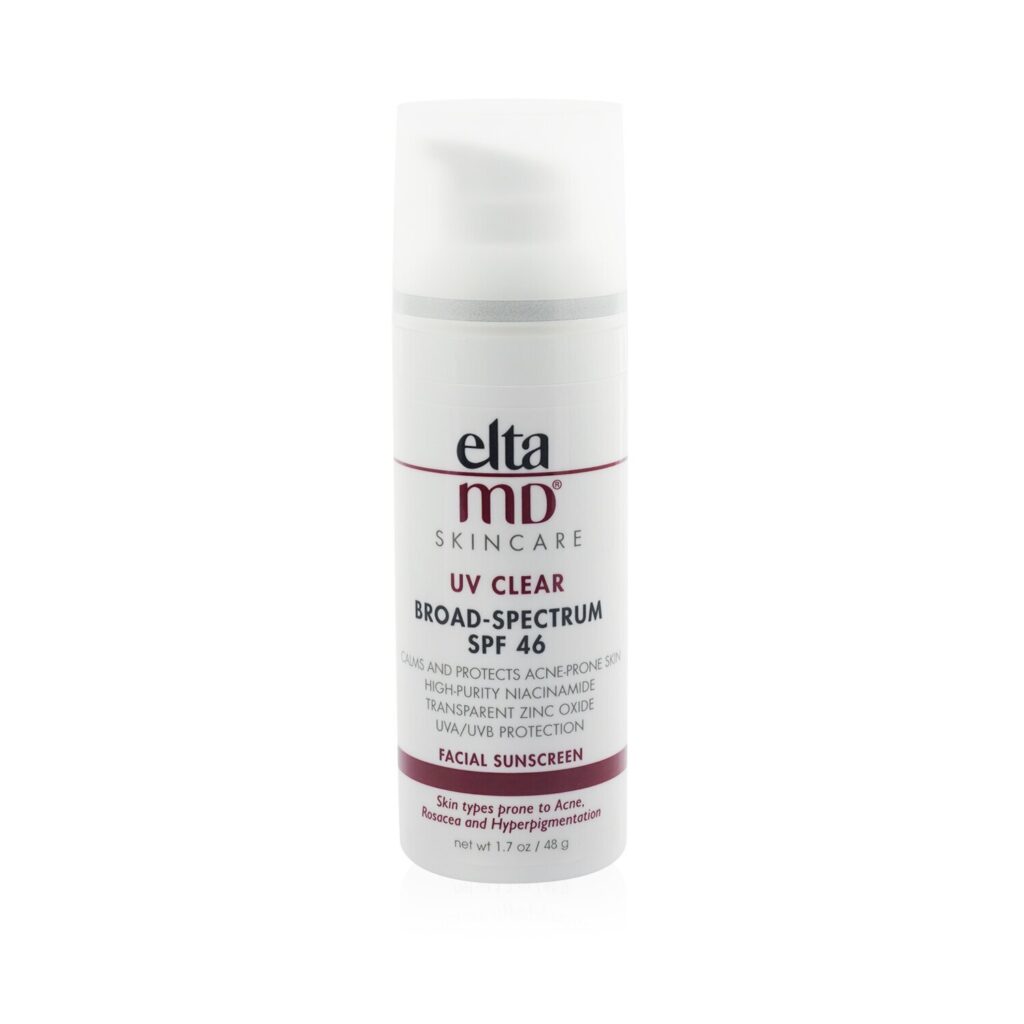
EltaMD UV Clear Facial Sunscreen SPF 46
Made for skin types prone to acne, rosacea and hyperpigmentation, this silky calming facial sunscreen will leave your complexion clear and healthy. Containing niacinamide (Vitamin B3), hyaluronic acid and lactic acid it helps to calm and protect sensitive skin types. It also offers broad-spectrum UVA and UVB protection – to counter the real reason you have those spots!
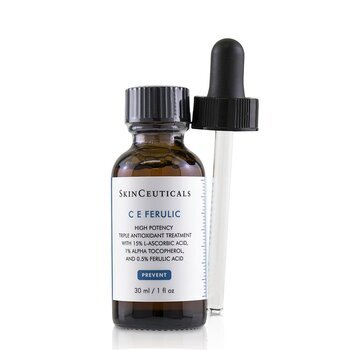
Skin Ceuticals C E Ferulic High Potency Triple Antioxidant Treatment
The cult high potency triple antioxidant facial serum is formulated with Vitamin C and E for antioxidant effect. Blended with Ferulic Acid to maximize its potency, it optimizes skin protection from environmental damage and prevents the appearance of premature ageing signs.
It also promotes collagen production while reducing the look of pigmentation. Your skin will appear firmer, softer and more radiant!
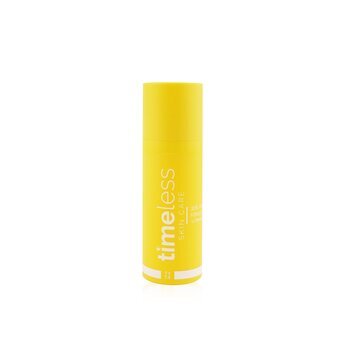
Timeless Skin Care 20% Vitamin C Serum + Vitamin E + Ferulic Acid
This super-charged brightening facial serum has a non-greasy formula that absorbs quickly into the skin. Containing a whopping 20% concentration of L-ascorbic acid, a highly effective skin anti-oxidant and collagen builder, it minimizes the effects of hyperpigmentation while evening out skin tone. The serum also comes enhanced with Vitamin E & Ferulic Acid to promote healthy cell turnover.


